
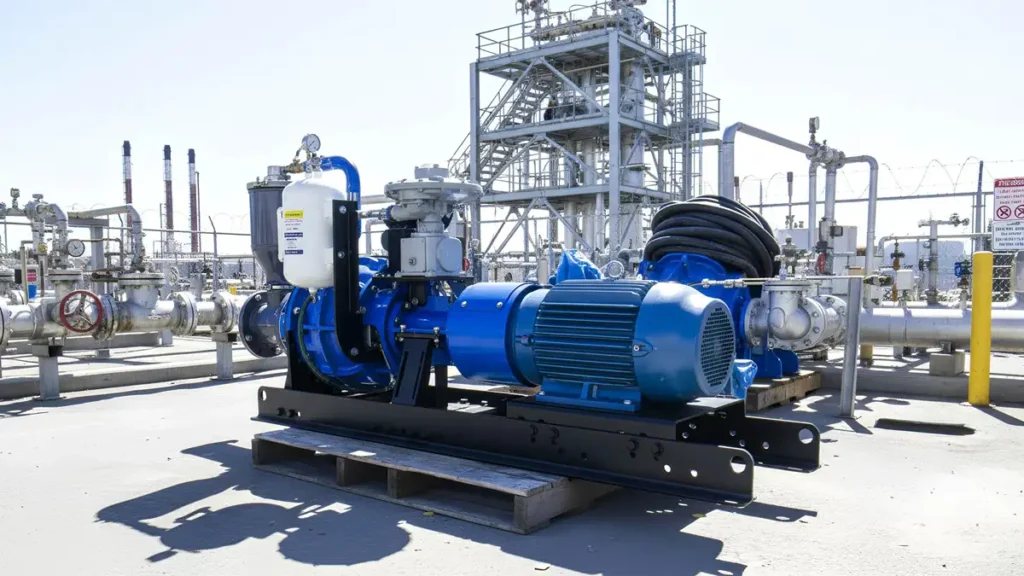
In the UAE, industrial pumps are rarely just pieces of equipment. They sit at the centre of production continuity, safety, and cost control across manufacturing facilities and oil and gas operations. Yet many pump systems installed in the region underperform long before their expected service life. The reason is not poor engineering on paper, but a gap between global pump specifications and local operating reality.
UAE manufacturing applications and UAE oil and gas facilities operate under a unique combination of stress factors. High ambient temperatures, sand ingress, saline exposure, continuous duty cycles, and variable operating loads place demands on industrial pumps that standard design assumptions often fail to address. A pump that performs well in temperate or controlled environments can degrade rapidly when exposed to these conditions.
This is why pump selection in the UAE cannot be approached as a catalogue exercise. It requires an understanding of fluid behaviour, failure pathways, materials performance, and system integration under regional constraints. Decisions around seals, materials, duty cycles, and installation layouts directly affect uptime, energy consumption, and maintenance risk.
Pump & Dredge UAE works within this operational reality. Rather than supplying isolated components, the focus is on configuring industrial pump systems suited to real manufacturing applications and oil and gas processes in the UAE. This blog walks you through how pumps are actually used on site, where failures originate, and how UAE facilities can design pump systems that last beyond initial commissioning.
Mapping UAE industries by fluid behavior, not by sector
In the UAE, classifying pump requirements by industry alone often leads to wrong assumptions. Two facilities operating in completely different sectors may place identical stress on industrial pumps, while two plants within the same industry may require entirely different pump designs. What actually determines pump performance and lifespan in the UAE is fluid behavior under operating conditions, not the industry label attached to the project.
Across manufacturing operations and UAE oil and gas facilities, fluids typically fall into a few dominant behavior patterns. Abrasive fluids are common, driven by sand ingress, suspended solids, or slurry-like mixtures created during processing, water handling, or dredging-related operations. These conditions accelerate wear on impellers, casings, and seals, making material selection and internal clearances far more critical than nominal flow ratings.
Thermal stress is another defining factor. Many UAE systems handle hot hydrocarbons, condensate, boiler feed water, or process fluids exposed to extreme ambient heat. Even when fluid chemistry is stable, elevated temperatures impact seal life, bearing lubrication, and overall pump efficiency. Industrial pumps selected without accounting for sustained thermal load often experience vibration issues and premature component failure.
Corrosion-dominant fluids form a third category. Seawater intake, brine, chemically treated water, and sour fluids in oil and gas operations expose pump internals to aggressive environments. In these cases, failure is rarely sudden. It gradually appears through wall thinning, seal degradation, and performance loss, often going unnoticed until downtime becomes unavoidable.
Finally, precision-flow fluids support critical manufacturing operations such as chemical dosing, additive injection, and controlled transfer processes. These systems demand stability and accuracy rather than brute capacity. Pumps operating here are sensitive to fluctuations in pressure, flow, and control logic, making system integration as important as pump selection.
At Pump & Dredge UAE, this fluid-behavior approach serves as the basis for equipment configuration and system design. Instead of starting with pump types, projects are assessed based on how fluids behave over time, how operating conditions change during real production cycles, and how maintenance access and serviceability fit into UAE plant layouts. This perspective allows industrial pumps to be matched to actual site demands rather than theoretical averages.
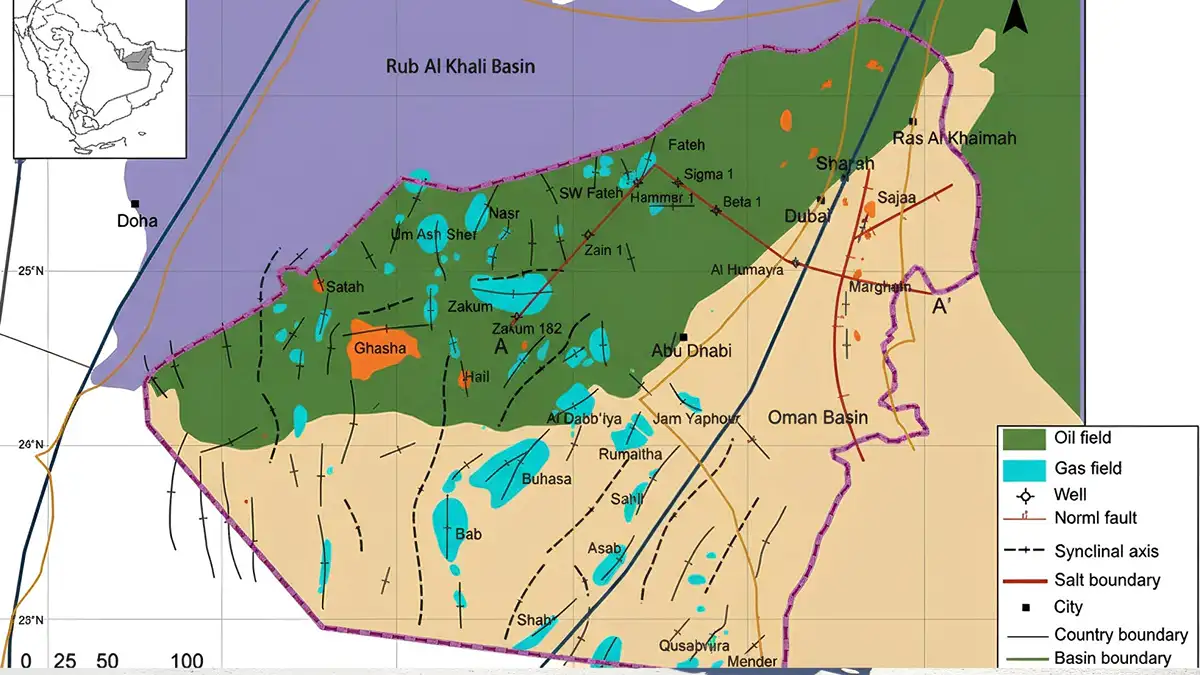
Manufacturing Applications in the UAE That Quietly Consume the Most Pumps
In UAE manufacturing facilities, the pumps that demand the most attention are often not part of the main production line. The highest pump density, and in many cases the highest maintenance burden, sits in supporting systems that operate continuously but receive limited design focus during project planning.
Cooling and heat-exchange loops are a clear example. Across industrial zones, pumps circulate water through chillers, heat exchangers, and auxiliary cooling systems to maintain stable operating temperatures. These systems run for long hours under fluctuating loads, often in high ambient heat. Even minor inefficiencies or material mismatches can translate into elevated energy consumption and accelerated wear. Industrial pumps in these loops are expected to deliver reliability rather than peak capacity, yet they are frequently oversized or poorly controlled.
Process water reuse systems represent another overlooked area. Many manufacturing operations in the UAE rely on internal water recycling to reduce intake and discharge volumes. These systems handle fluids with variable solids content, chemical residues, and temperature shifts. Pumps operating here face abrasive and corrosive conditions simultaneously, making them prone to gradual degradation rather than sudden failure. Without proper design and monitoring, performance loss often goes unnoticed until production is affected.
Effluent, sludge, and by-product handling further increase pump exposure. Inside manufacturing plants, these flows are rarely uniform. Solids concentration, viscosity, and flow demand change based on production cycles. Pumps selected for nominal conditions struggle to withstand these variations, leading to clogging, seal damage, and frequent interventions.
Chemical transfer lines supporting manufacturing processes also place unique demands on industrial pumps. These applications prioritise flow consistency and containment over volume. Any instability can impact product quality or safety compliance. Pump selection here extends beyond hydraulic performance to include sealing systems, compatibility with chemicals, and integration with control logic.
Pump & Dredge UAE typically engages with manufacturing facilities at this system level. By addressing cooling loops, reuse systems, and internal transfer processes together, pump configurations are aligned with how plants actually operate. This approach reduces cumulative downtime and stabilises performance across multiple manufacturing applications rather than optimising a single pump in isolation.
Oil & Gas in the UAE: Pumps as Risk Infrastructure, Not Equipment
In UAE oil and gas facilities, pumps are rarely treated as critical assets until something goes wrong. On paper, they are just another line item. On-site, they decide whether a unit will keep running or shut down.
Most problems do not start with dramatic failures. They start small. A seal begins to leak slightly. Vibration increases but stays within “acceptable” limits. Flow drops just enough to be adjusted manually. Over time, these small issues stack up. When the pump finally fails, it is not a surprise. It is a delayed outcome.
High temperatures and continuous operation put constant stress on pump internals. Fluids change properties as operating conditions fluctuate. Suction conditions are rarely ideal for long periods. These realities push pumps out of their optimal operating range, even if they were correctly sized at the design stage.
Corrosion adds another layer of risk. In many UAE oil and gas applications, pumps handle saline water, treated fluids, or sour service streams. Damage does not happen overnight. Metal thins slowly. Seals harden. Performance drops gradually. By the time alarms trigger, the damage is already done.
Standards like API define minimum requirements, but they do not account for how equipment is installed, accessed, or maintained on site. A pump can meet every specification and still struggle if it is difficult to service, poorly ventilated, or forced to operate outside its comfort zone for long stretches.
This is where Pump & Dredge UAE typically becomes involved. Not at the point of failure, but when operators want to understand why pumps are failing earlier than expected. By focusing on how pumps behave in real operating conditions, systems can be adjusted to reduce risk instead of reacting to breakdowns.
Materials Decisions UAE Engineers Regret Later
Most pump failures in the UAE are not caused by wrong sizing. They are caused by material choices that looked safe at the time and turned out to be wrong six months later.
Stainless steel is the most common example. It gets selected because it feels like a premium, all-purpose option. In reality, many UAE fluids are a bad match for it. Sand, fine solids, and saline water wear stainless surfaces faster than expected. Pumps keep running, but clearances open up, efficiency drops, and vibration slowly increases.
Rubber-lined or hardened internal surfaces are often dismissed as “special cases.” On site, they regularly outlast metal in abrasive manufacturing applications and water handling systems. The mistake is assuming abrasion is occasional. In UAE conditions, it is constant, even when it is not visible.
Seal selection causes even more regret. Pumps fail, but seals usually fail first. High ambient heat hardens elastomers. Inconsistent operating hours dry out faces. Chemical traces attack materials that were never meant for long exposure. Many pumps are pulled out of service not because the hydraulics failed, but because seals were never suited for how the pump actually runs.
Corrosion decisions are where long-term damage hides. Seawater, treated process water, and oil and gas fluids rarely behave exactly as lab data predicts. Corrosion does not stop production immediately. It weakens casings and internals slowly. By the time performance loss is obvious, replacement is the only option.
What makes these decisions worse is that they are difficult to reverse. Once a pump is installed, changing materials usually means downtime, redesign, or full replacement. This is why material selection needs to be based on operating history, not just chemical compatibility charts.
At Pump & Dredge UAE, material choices are usually discussed after reviewing where pumps failed before, not where they are expected to succeed. That experience-driven approach reduces repeat issues across both manufacturing applications and UAE oil and gas systems.
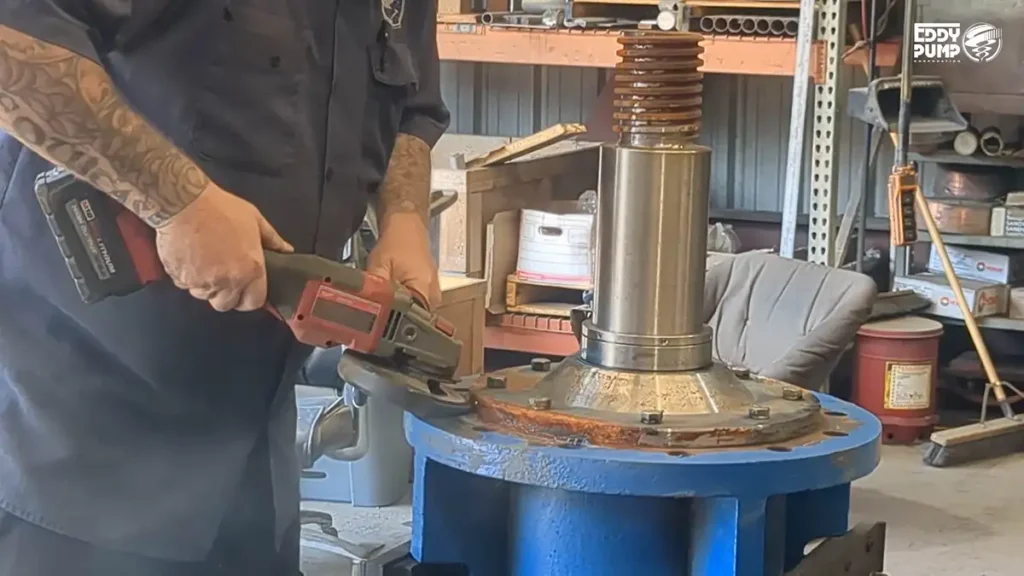
Energy Cost vs Uptime: the Real Pump Trade-off in UAE plants
In UAE plants, pumps are often selected with efficiency numbers in mind. Power consumption gets reviewed. Curves are compared. On site, that logic rarely holds for long.
Most industrial pumps do not run at steady conditions. Flow demand changes. Production ramps up and down. Valves are adjusted manually. Pumps drift away from their best operating point and stay there for months. When that happens, efficiency on paper means very little.
Variable frequency drives are added to solve this, but they create their own issues. Poor tuning leads to frequent low-speed operation, which affects cooling and bearing life. In dusty environments, control panels and sensors become maintenance items themselves. Energy savings exist, but only when the entire system is set up correctly.
Oversizing is another common trade-off. Pumps are deliberately selected larger “to be safe.” In practice, this means throttling most of the time. The pump works harder than necessary, vibration increases, and seals wear faster. Energy cost goes up, and uptime goes down.
What plant teams actually care about is not kilowatt savings. It is how often the pump needs attention. A slightly less efficient pump that runs reliably for years usually costs less than a high-efficiency unit that needs frequent intervention.
In UAE manufacturing applications and oil and gas operations, uptime carries more weight than theoretical efficiency. Pump & Dredge UAE typically looks at how pumps are operated day to day, not how they were intended to run during design. By matching pump selection, control strategy, and operating range to real conditions, plants avoid chasing efficiency at the expense of reliability.
Pump Systems, Not Pumps: How UAE Projects Actually Succeed
Most pump problems in the UAE are not caused by the pump itself. They come from everything around it. A pump may be well selected, but a poor suction layout creates cavitation. Discharge piping adds unnecessary backpressure. Valves are positioned for convenience, not performance. Access for maintenance is limited, so inspections get delayed. Over time, these small issues shorten pump life.
Successful projects treat pumps as part of a system. This includes piping geometry, support structures, controls, and how easily components can be reached once the plant is running. In hot environments, even airflow and spacing around the pump matter.
Skid-mounted systems are often more reliable in installations in the UAE. They reduce installation errors and make alignment easier. When designed properly, they also simplify maintenance and future replacement. Site-assembled systems can work, but only when space, access, and supervision are tightly controlled.
Spare strategy is another system-level decision. Some plants hold too many spares that never get used. Others hold none and wait weeks for replacements. Both approaches increase cost. Effective planning is based on failure history, lead times, and the pump’s criticality to production.
Pump & Dredge UAE typically supports projects at this system stage. By reviewing layout, installation approach, and service access early, pump systems are designed to fit UAE site conditions rather than forcing equipment to adapt after commissioning. This reduces unplanned downtime and stabilises long-term operation across manufacturing applications and UAE oil and gas facilities.
Procurement Mistakes Specific to UAE Projects
Many pump issues in the UAE begin long before installation. They start at the procurement stage.
The most common mistake is buying at the lowest initial price. Quotes are compared line by line, but differences in materials, sealing systems, testing, and service support are overlooked. What appears cheaper upfront often leads to higher downtime and replacement costs later.
Another issue is incomplete specifications. Pumps are ordered based on flow and head, with little detail on operating variability, fluid changes, or maintenance access. This leaves room for assumptions, and those assumptions rarely match site reality.
Service support is often treated as an afterthought. Pumps are purchased without a clear plan for commissioning, routine inspection, or emergency response. When problems arise, lead times stretch, and production suffers.
Local spares availability is also underestimated. In UAE conditions, waiting weeks for seals or bearings is rarely acceptable. Yet spare strategies are often undefined or pushed to a later phase that never comes.
Finally, many projects underestimate the value of local technical involvement. Equipment that works well elsewhere may struggle when installed without site-specific adjustments. Procurement focused only on equipment delivery misses the operational risks that appear after handover.
Pump & Dredge UAE addresses these gaps by supporting procurement decisions with application review, service planning, and local availability considerations. This approach shifts procurement from a cost-driven exercise to a risk-managed process.
Where Industrial Pumps are Heading in the UAE Manufacturing & Oil and Gas
Pump systems in the UAE are becoming more practical and less experimental. The focus is shifting away from adding complexity and toward improving visibility and reliability.
Condition monitoring is no longer limited to large or critical assets. Basic vibration tracking, temperature monitoring, and performance trending are also being applied to mid-range industrial pumps. The goal is not predictive analytics for its own sake, but early warning before damage becomes expensive.
Modular pump systems are also gaining traction. Skid-mounted packages reduce installation errors and shorten project timelines. For UAE manufacturing applications, this approach makes future expansion and replacement simpler, especially in space-constrained plants.
Water handling and internal reuse systems are expanding across both manufacturing and oil and gas facilities. As water management becomes more controlled, pumps are expected to handle wider operating ranges and more aggressive fluids. This underscores the importance of using the correct materials and ensuring serviceability from the start.
Across UAE oil and gas operations, there is also a growing emphasis on reliability engineering. Pumps are being reviewed based on failure history and operating behaviour rather than catalogue ratings. This reflects a broader shift toward lifecycle performance instead of initial compliance.
Choosing Pumps for UAE Conditions, Not Brochures
Industrial pumps in the UAE cannot be selected solely on specifications. Environment, fluid behaviour, operating patterns, and maintenance access all shape how long a pump will perform reliably.
Manufacturing applications and UAE oil and gas facilities place demands on pumps that are rarely captured fully at the design stage. Bridging that gap requires experience drawn from real installations, not assumptions.
Pump & Dredge UAE works within these realities, focusing on system configuration, material suitability, and long-term operability rather than isolated equipment supply. By aligning pump systems with how facilities actually run, plants reduce risk, stabilise uptime, and avoid repeating the same failures project after project.